The US PIRG Education Fund's fifth Failing the Fix report grades 105 smartphones on how repairable they are. The headline result:
| Manufacturer | Grade |
|---|---|
| Motorola | B+ |
| C- | |
| Samsung | D |
| Apple | D- |
The most valuable company in the world finished last, and the company most people would struggle to name a current model from finished first.
But the more interesting sentence in the report is not about any manufacturer. It is about the ruler.
The methodology changed, and the change is the story
Previous editions leaned on the French repairability index. This one uses the criteria behind the EU's EPREL labelling regime, and PIRG says why: EPREL "correctly prioritizes disassembly in its methodology, fixing a problem we identified with the French scoring method."
That is a precise complaint. Under a scoring system that weights, say, documentation availability and spare part pricing heavily, a manufacturer can score well while still building a device that is genuinely hard to open. Publish good manuals, sell parts at a fair price, and the index rewards you — even if getting to the battery means heat, solvent and forty minutes.
Weight disassembly properly and that arbitrage closes. What the new grades measure is closer to the thing anyone actually cares about: how hard is it, in the physical world, to get the broken part out.
The parameters in the new index:
- How many steps it takes to reach commonly replaced parts, the battery first among them
- Whether the device uses standard or proprietary tools and fasteners
- Spare part availability to consumers and to independent repair shops, not just to authorised ones
- The length of the software support commitment
- The accessibility of repair documentation
Four of those five are things a manufacturer can fix with policy. The first one is a consequence of how the product was designed, years earlier, and cannot be retrofitted.
Why a score that moves when the ruler moves is still worth reading
There is an obvious objection: if the grades changed because the method changed, the grades are not really telling you the phones got worse.
Correct — and that is not a reason to discount them. It is a reason to read what the change corrected.
A repairability score is not a measurement of a physical constant. It is a statement about which properties we have decided count. When the statement changes, it is usually because the previous one was being gamed, or because it was measuring the reachable proxy rather than the thing itself. That is what happened here, and the direction is toward the harder-to-fake property.
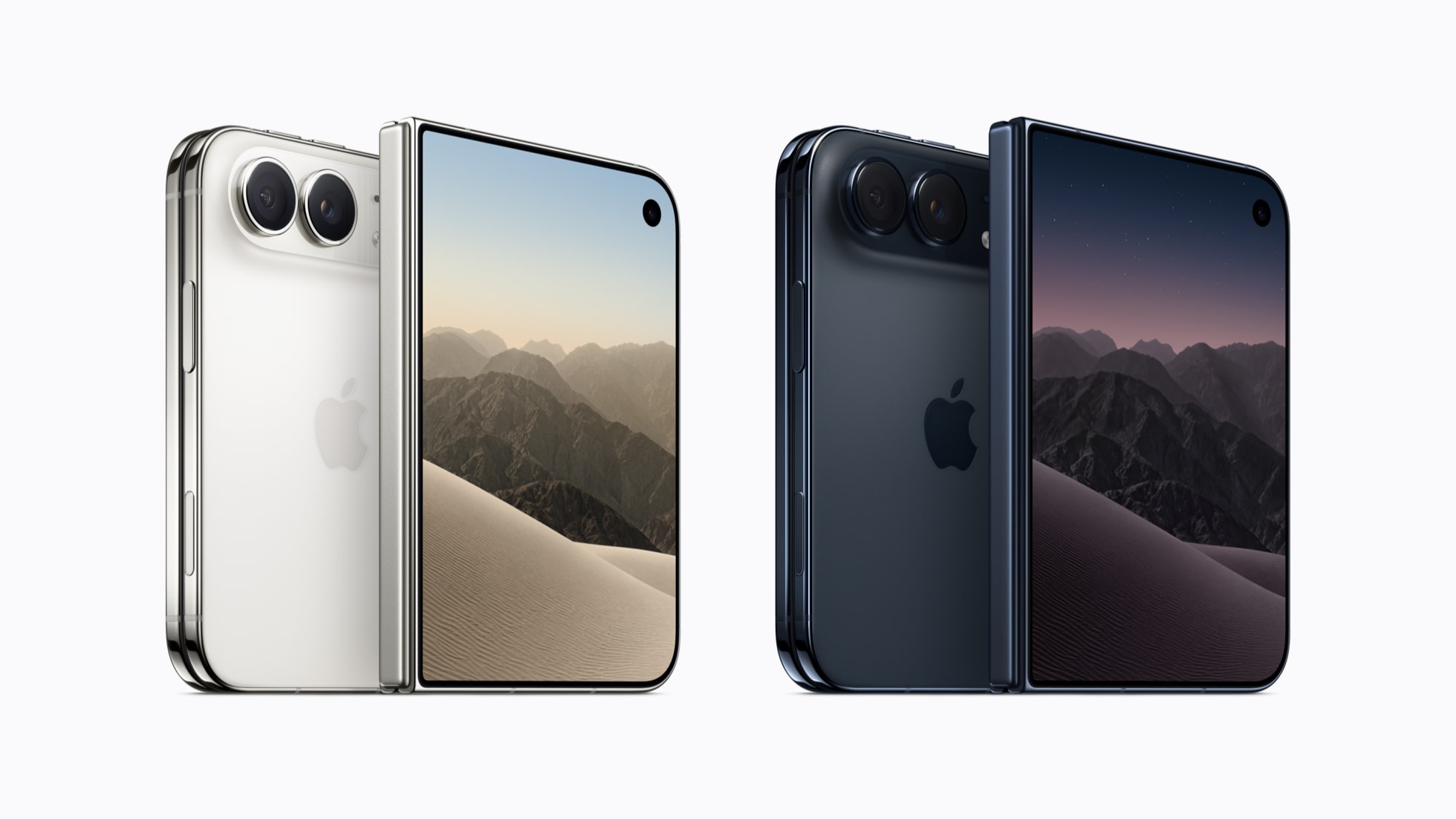
The same regime is now doing real work elsewhere: EPREL sits alongside the EU ecodesign rules that require spare parts for seven years and set a minimum battery endurance, and it applies to devices whose designs make compliance genuinely awkward — including folding ones. Apple's own foldable arrived with a per-unit calibrated hinge and no published fold-cycle rating, into exactly this regulatory environment.
What a D- actually reflects
Worth being fair about what is and is not being measured.
Apple has a Self Service Repair program, publishes manuals, and sells parts. On the policy parameters it is not the worst in the industry, and it has moved considerably in five years.
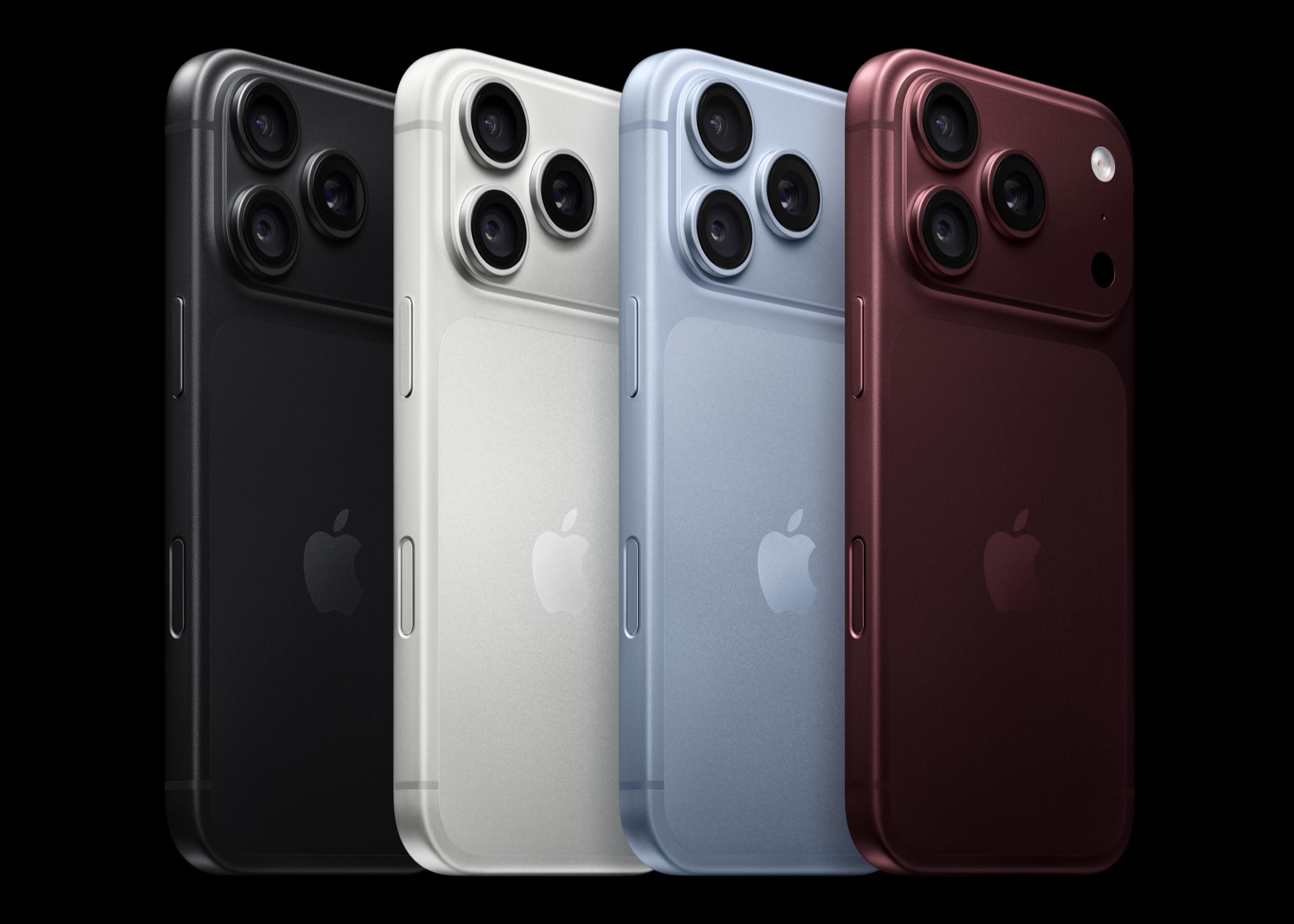
Where it loses is structural: parts held in with adhesive rather than fasteners, assemblies that come out as units rather than components, and design decisions that trade serviceability for thinness, water resistance and structural rigidity. Those are real engineering tradeoffs, not laziness — an IP68 phone that survives a drop is genuinely harder to open than one that does not.
That is the honest framing. The grade is not an accusation of bad faith. It is a statement that when Apple has traded repairability against something else, it has consistently chosen the something else, and the new methodology stops crediting the policy work for making up the difference.
Motorola's B+ reflects the opposite set of choices, on phones that mostly compete on price.
What to do
- If repairability matters to you, it is a purchase-time decision. No amount of policy fixes a glued assembly after you own it.
- Look at the battery specifically. It is the part that will definitely fail, and step count to reach it is the parameter that most separates these grades.
- Check the software support window, which is in the score for good reason: a phone that cannot receive updates is unrepairable in the way that matters most.
- Do not read a D- as "unfixable". Read it as "expensive and slow to fix, mostly through an authorised channel".
What is not established
- Per-model scores for most of the 105 devices, beyond the manufacturer-level grades.
- How the grades would look under the old methodology, which would isolate how much of the movement is the ruler.
- Whether manufacturers will design toward the new criteria, which is the only outcome that would matter.
- Any manufacturer response to the grades at time of writing.