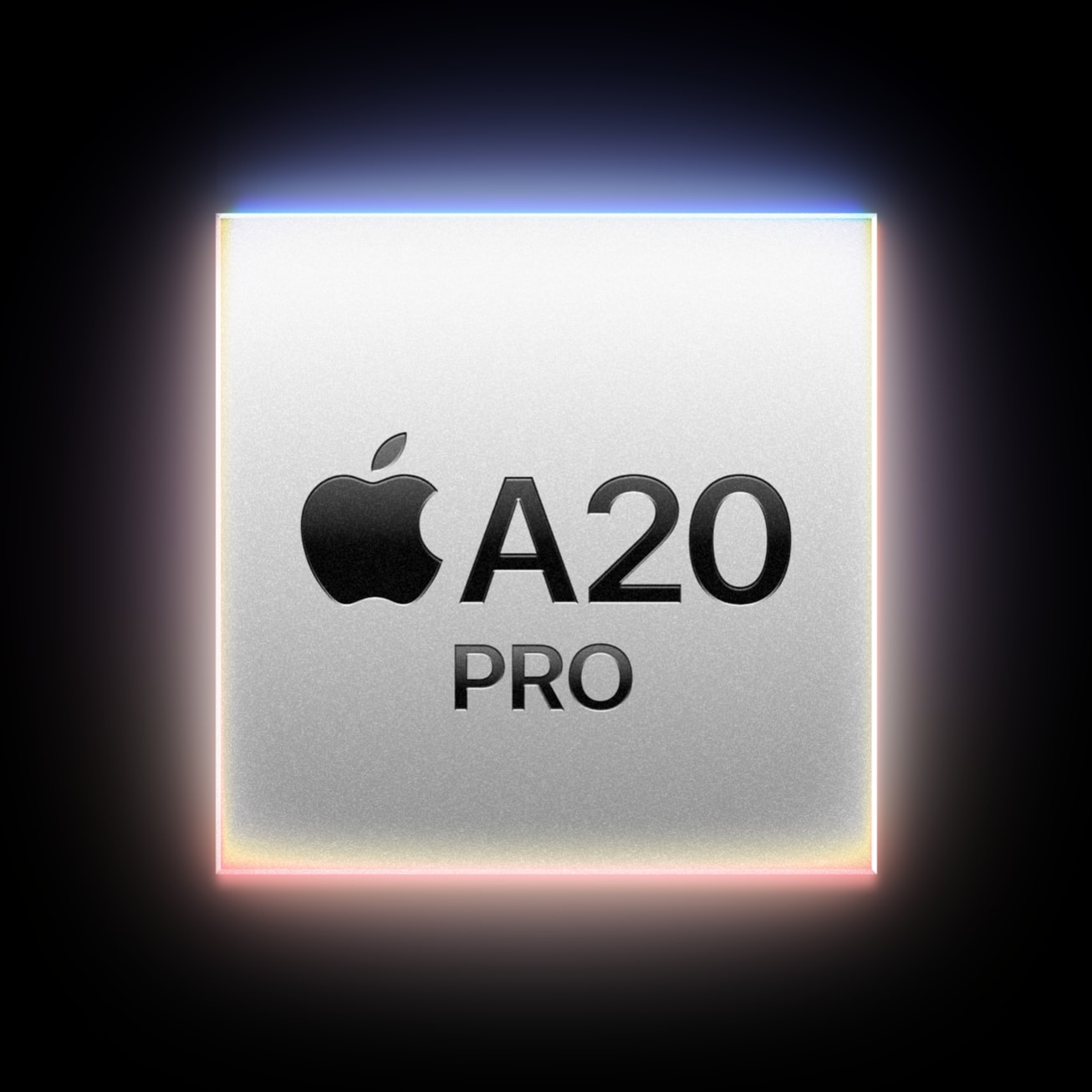
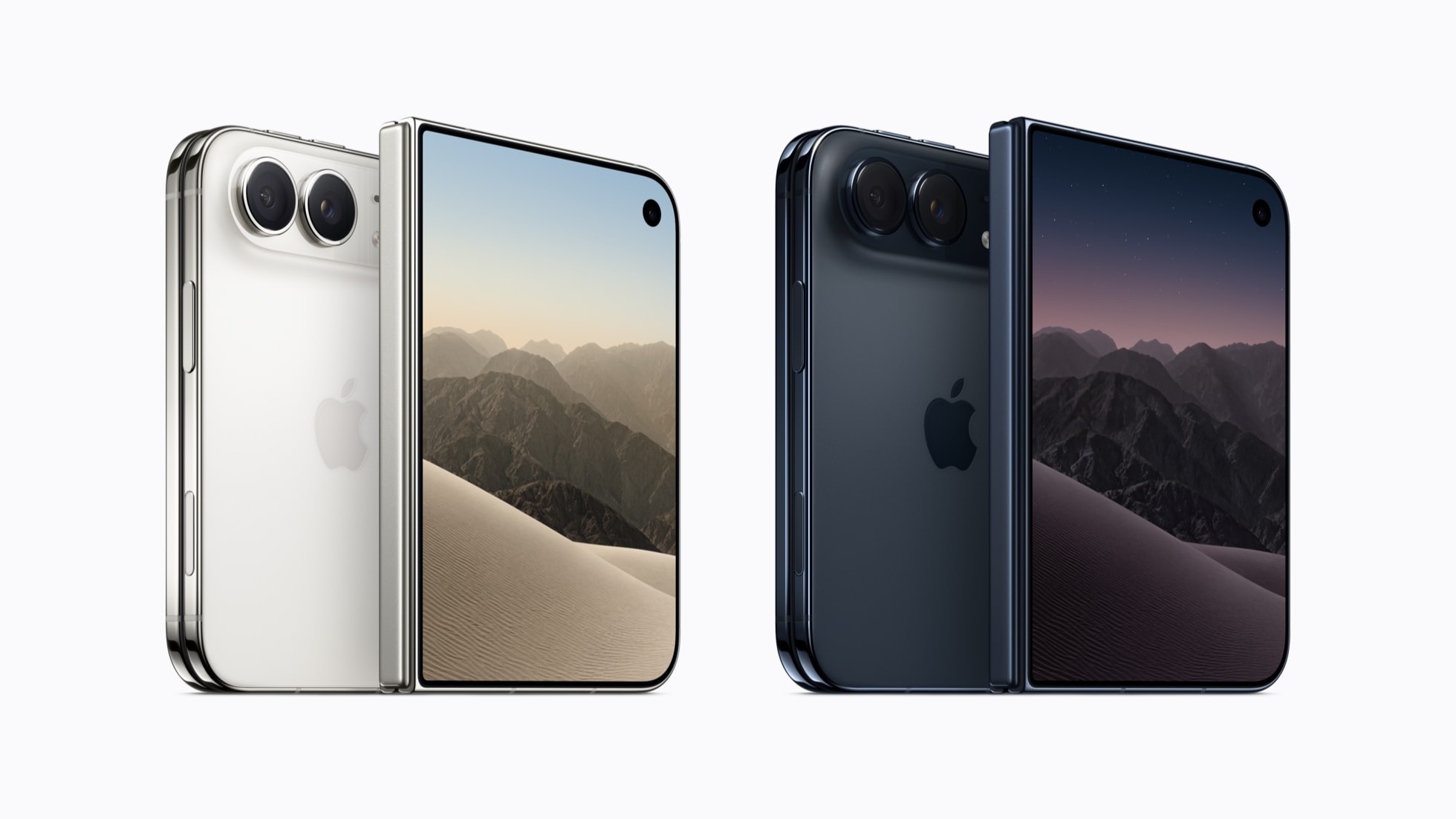
On 27 October Apple announced the 14-inch MacBook Pro with M6. On 28 October it announced the MacBook Pro with PROLED XDR Display, its new flagship, running M5 Pro and M5 Max.
Both go on sale on 6 November. A buyer standing in front of them has to work out that the higher number is the cheaper machine, and Apple has published nothing that says which is faster.
What each one actually is
The M6 machine is the 14-inch, in space black and silver. Apple gives it a 12-core CPU with what it calls the world's fastest CPU core, a 12-core GPU, a Dual 16-core Neural Engine, Wi-Fi 7, Bluetooth 6, a Liquid Retina XDR display and up to 24 hours of battery.
The flagship is the one with the new display, in 14- and 16-inch sizes, on M5 Pro and M5 Max, with up to 128GB of unified memory, up to 16TB of storage, Thunderbolt 5, and weights of 3 and 4 pounds. It also gets up to 24 hours of battery.
Every percentage is measured against the same older chip
Apple says M6 delivers up to 30 percent faster graphics and up to 25 percent faster AI workloads. Both of those are compared to M5, the base chip. The larger numbers, up to 11 times faster graphics and up to 13 times faster AI, are compared to M1, a chip from 2020.
Nowhere does Apple compare M6 to M5 Pro or M5 Max. That is the comparison a buyer needs and the one that does not exist. On past form the Pro and Max tiers of one generation beat the base chip of the next, so the flagship is very likely the faster machine despite the lower number, but that is an inference from history and not something Apple has stated.
This is the second time in a week the baseline has been the story. We went through the M6 Mac launch and found every speed claim resting on a different starting point on the 28th. The pattern has not changed; it has just produced a naming collision.
The display is the actual upgrade
The PROLED XDR panel is tandem OLED with two self-illuminating pixel layers. Apple claims up to 2000 nits peak brightness for both HDR and SDR, a 10,000,000:1 contrast ratio, ProMotion from 10Hz to 120Hz, and a gamut covering P3 and now Adobe RGB with more than 80 percent of Rec. 2020.
Two of those deserve a second look. Peak 2000 nits in SDR is the unusual claim, because SDR brightness is normally far below the HDR peak, and it is what makes the nano-texture option and the antireflective coating meaningful outdoors. The contrast figure is the softer one: on an OLED panel a true black pixel emits nothing, so a contrast ratio is a function of how the measurement is set up, and Apple does not say how it was.
Johny Srouji, Apple's chief hardware officer, calls it "the world's best laptop display", which is marketing rather than a specification.
Touch, finally, and built into the panel
The flagship brings Touch to the Mac for the first time. The detail worth keeping is structural: Apple says the touch sensor is built into the display panel rather than layered on top of it, which it credits for lower latency. No latency figure is given.
The Dynamic Island also arrives on the Mac, carrying Spotlight, Live Activities and Siri AI.
What to do
- Do not read the chip number as the newer machine. On these two it points the wrong way.
- If your work is colour-critical, the flagship is the one with the reference display, and that is the clearer reason to buy it than any chip.
- If you want the best-performing chip, wait for independent benchmarks rather than Apple's percentages, because the comparison you need has not been published.
- Treat the 24-hour battery figures as Apple's own measurement, on both machines, under workloads it has not described.
What is not established
- How M6 compares to M5 Pro or M5 Max. Apple has not said, and that is the whole question.
- Prices. Neither release I read carried one.
- How the 10,000,000:1 contrast ratio was measured.
- Whether 2000 nits SDR is sustained or peak-only, and for how long.
- What the Touch latency actually is, beyond the claim that building the sensor into the panel lowers it.
- Whether M5 Pro and M5 Max in this chassis differ from the same chips in the previous one. Apple describes them as its most powerful chips ever built for a pro laptop without saying they are new.
- Why the two launches landed a day apart. Apple has not explained the sequence.